
 If you think your pup is suffering from an allergy, you’re not alone. Allergies are a common issue for dogs, and they can have a serious impact on your furry friend’s health and well-being. At Thornwood Veterinary Clinic, we understand the importance of addressing your pup’s allergies. That’s why we’re sharing our answers to some of the most frequently asked questions regarding this topic. In this article, we’ll provide you with an overview of how common allergies are in dogs, what some of the most common allergies are, how to recognize them, and what treatment options are available for your canine companion. Let’s dive in!
How Common are Dog Allergies?
Dog allergies are relatively common, affecting dogs of all breeds and backgrounds. Experts estimate that as many as one in five dogs suffers from allergies, and the numbers are on the rise. According to studies conducted by Banfield, there was a 30.7% increase in environmental allergy cases in dogs and an 11.5.% increase in cats between 2008 and 2018.
Common Dog Allergies
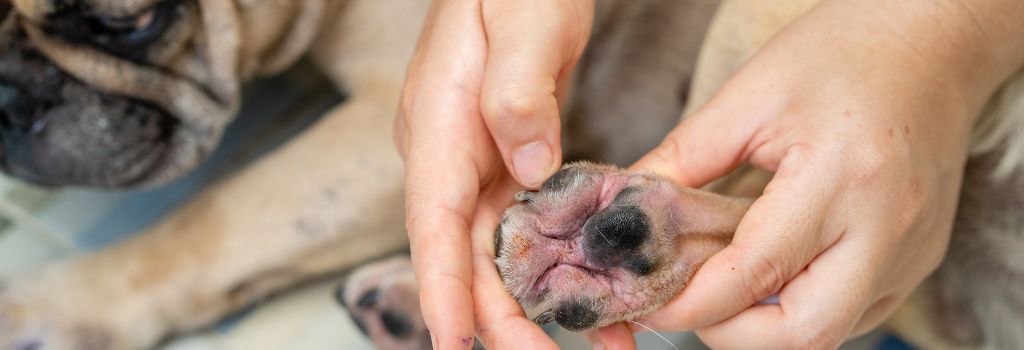
Allergies come in two forms: environmental allergies and food allergies. With food allergies, we typically see ear and/or gastrointestinal problems. With environmental problems, we see more foot licking and skin problems. Environmental allergies are far more common than food allergies, but there are some pets who are sensitive to certain ingredients. In general, if you are seeing a symptom you think is related to allergies, contact your vet BEFORE changing diets or trying home remedies.
How Do Allergies Impact My Dog’s Health and Overall Well-Being?
Chronic itchiness and skin irritation can lead to excessive scratching, licking, and chewing, which often cause hair loss and skin sores. In severe cases, sores and irritation can also lead to secondary bacterial or fungal infections.
Furthermore, an online study called The Itchy Dog Project found that the severe itchiness associated with atopic dermatitis is linked to problematic behaviors, including chewing, hyperactivity, mounting, eating feces, and excessive grooming. This indicates that allergies likely have psychological effects on dogs, leading to stress and reduced quality of life.

What Are Some Signs and Symptoms of Dog Allergies?
Recognizing the signs and symptoms of dog allergies is crucial when it comes to ensuring that your furry friend receives proper care and treatment.
Common symptoms of allergies in dogs include:
- Itchiness (chewing at feet, sides or belly, scratching that interferes with daily life)
- Hair loss
- Red, inflamed skin
- Chronic ear infections
- Diarrhea
- Vomiting
- Swelling of the face, ears, lips, eyes, or feet
- Rashes
- Hives
Can I Diagnose My Dog’s Allergies at Home?
While at-home allergy tests are widely available, they are not a suitable substitute for consulting with your dog’s veterinarian. These tests are notoriously inaccurate, so relying on them could prevent your dog from receiving appropriate treatment. To date, there is NO accurate way to diagnose food allergies in pets, beyond feeding trials.
We also advise against trying to diagnose your dog’s allergies at home because allergic reactions share symptoms with many other potentially dangerous conditions. Misdiagnosis can lead to worsening symptoms and further complications, as well. Only a skilled veterinarian can accurately diagnose allergies and prescribe an appropriate course of treatment, so we recommend scheduling an appointment right away if your canine companion exhibits allergy symptoms.
How Will a Veterinarian Diagnose Allergies in My Dog?
Veterinarians have several methods at their disposal for diagnosing allergies in dogs. Intradermal allergy testing (IDAT) is the gold standard method. This involves injecting small amounts of allergens under the dog's skin to observe the reaction, much like is done in people. Vets may also use blood tests to identify the specific allergens causing your pup’s symptoms. While somewhat less accurate, these are far less invasive and can be done at most general practices. Intradermal skin testing must be done with a boarded dermatologist. An elimination diet trial using a veterinary hypoallergenic diet or novel protein diet is the most accurate method for diagnosing food allergies.
How Are Dogs Treated For Allergies?
In terms of treatment, we have many options. For mild signs like sneezing or watery eyes, veterinarians will sometimes start with over the counter medications like Benadryl and Zyrtec. From a science standpoint, these medications should not help with things. Allergies in our pets are not as mediated by histamine as they are in people, so antihistamines are often of limited benefit. However, some owners report improvement and these are safe, inexpensive medications to try.
There are several, safer, newer, FDA approved medications available for the treatment of canine allergies including Apoquel, Cytopoint and Atopica. These medications are much safer than traditional corticosteroids and are generally very effective for all types of allergies, as long as there is no secondary infection present.
In rare cases, steroids are required to control symptoms. These are extremely effective, but do have side effects and are best used only for occasional flare ups. As mentioned previously, the gold standard of treatment is allergy immunotherapy injections. These have very few side effects and can be very effective for ENVIRONMENTAL allergies. They do not have any use in food sensitive pets at this time.
How Is Shampoo Therapy Used to Treat Dogs’ Allergies?
Shampoo therapy is a safe and effective means of treating certain skin allergies in dogs. These products are designed to remove allergens from the skin, rehydrate dry patches, and provide direct application of therapeutic agents to affected areas. Keep in mind, though, that not all dog shampoos are created equally. Ask your veterinarian for recommendations.
What Is Hyposensitization and Desensitization Therapy for Dog Allergies?
Hyposensitization and desensitization therapy, also known as allergen-specific immunotherapy (ASIT) or allergy shots, is a treatment method designed to help pets with allergies by gradually introducing increasing quantities of specific allergens to their system. This method aims to reduce the immune system's overreaction to allergens, leading to increased tolerance over time.
To begin the process, your veterinarian will perform tests to determine the specific allergen(s) causing your dog’s reactions. Based on these results, a customized serum containing small amounts of the identified allergens is created, which your vet will then use in a set dosage regimen. The dosage of allergens is gradually increased until a maintenance level is reached.
Studies have shown that approximately 50% of dogs who receive immunotherapy have an excellent response, while 25% experience a moderate response, and the remaining 25% show no response at all. Keep in mind that this treatment can take up to a year to show significant results, so you’ll need to be patient and consistent to determine how well it works for your four-legged best friend.
The key advantage of desensitization therapy is its potential to provide long-lasting relief from allergy symptoms, reducing or even eliminating the need for additional medications. While this method may not work for every pet, it is a valuable option for those suffering from severe or persistent allergies, especially when other treatments have not been successful.
Conclusion
Dog allergies can have a serious impact on your pup’s health and well-being. At Thornwood Veterinary Clinic, our veterinarians are experienced in diagnosing, treating, and managing dog allergies. We offer a range of treatments, including anti-itch therapy, shampoo therapy, and hyposensitization or desensitization therapy, to provide relief from allergy symptoms. If you have any questions, don't hesitate to call our team at (616) 676-1251, or you can email us at [email protected]. Our staff would love to talk with you!
Don't forget to follow us on social media: Facebook, Instagram.