
At Thornwood Veterinary Clinic, we understand the importance of providing the highest quality and best service to pet owners. That’s why we strive to provide comprehensive and information about spaying and neutering for dogs. We believe that pet owners should have all the information they need to make an informed decision about their pet’s reproductive health and well-being. In this article, we’ll discuss the differences between spaying and neutering, the associated health benefits, when to bring your pet in, and recovery tips. Read on to learn more about dog spaying and neutering. If you are located near Ada, MI, and would like to learn more about having your furry friend spayed or neutered, don’t hesitate to give us a call at (616) 676-1251.
What is the Difference Between Dog Spaying and Neutering?
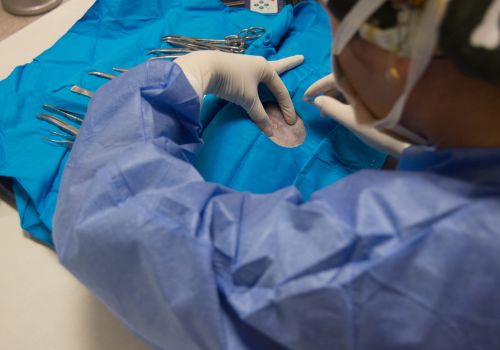
Spaying is the surgical removal of a female dog’s uterus and ovaries, while neutering is the surgical removal of a male dog’s testicles. Veterinarians perform both procedures while the pet is under anesthesia to ensure their safety and comfort.
How Does Dog Spaying or Neutering Impact the Health and Well-Being of My Pet?
Spaying or neutering a pet can have numerous health and behavioral benefits. Having your dog spayed or neutered can extend their life, reduce the risk of certain cancers, and decrease mating-related behaviors, like howling, urine marking, and roaming in search of a mate. Spaying reduces the risk of mammary tumors and cancer in females, while neutering eliminates the risk of testicular cancer in male companion animals. However, pet owners should be aware of potential risks associated with spaying or neutering, such as a possible increase in the risk for certain joint disorders and obesity. It is important to consult with a veterinarian to understand the best decision for your pet’s specific breed and situation.
How Soon Should I Bring My Pet in to See a Veterinarian to Get My Dog Spayed or Neutered?
We recommend bringing your pet in to see us as soon as possible so we can help you determine the right time to schedule your furry friend’s surgery. Generally, puppies should be spayed before their first heat cycle. The age at neutering depends a bit on the size of the dog, with small dogs being neutered around 7-8 months of age and large dogs waiting until after 12-18 months, but there are exceptions. In small dogs, we are waiting for all baby teeth to have fallen out. In some cases, they can have trouble losing their baby teeth and if they have not fallen out by 7-8 months of age, they need to be removed. This can be done at the same time as the neuter procedure. In large dogs, we are waiting until the growth plates in the long bones have closed. This allows for proper joint development and decreases the risk of certain joint problems in the future. That’s why it’s important to consult with your veterinarian about the best timing for your pet.
What are Some Possible Conditions That Can Be Helped by Spaying or Neutering My Dog?
Spaying or neutering a pet can help to reduce or eliminate several health conditions, including reproductive cancers and diseases, pyometra (a potentially fatal uterine infection), and certain joint disorders. Pets who have been spayed or neutered are also less susceptible to endocrine disorders, including diabetes and Cushing’s disease (CD). Additionally, spaying or neutering at a young age can ease problematic behaviors and make your pet easier to train.
How Will Spaying or Neutering Affect My Dog in the Future?
Spaying or neutering a pet offers numerous long-term benefits for your pet’s health and behavior. In addition to reducing the risk of certain cancers and diseases, spaying or neutering can reduce aggression and other unwanted behaviors, such as roaming and fighting. Spaying or neutering can also lead to an overall longer lifespan for your pet.
What Will My Veterinarian Need to Know About My Dog Before Spaying or Neutering?
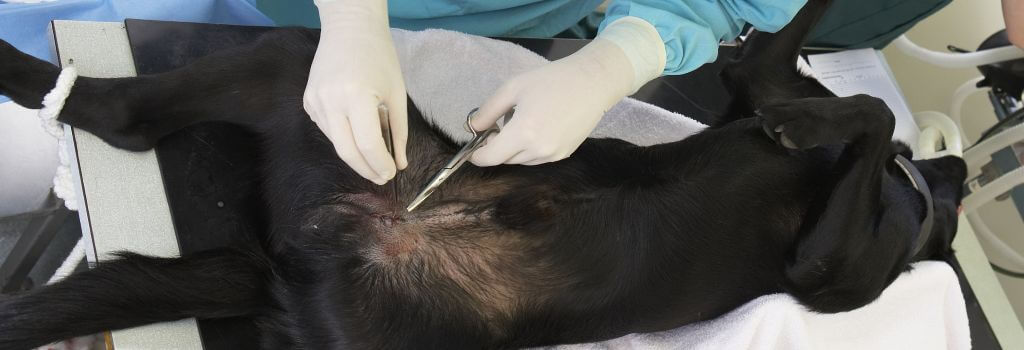
Before any spaying or neutering procedure, your veterinarian will need to conduct a thorough examination of your pet. This includes a physical examination and routine blood testing, as well as, in some cases, additional or special testing. It is important for your veterinarian to know your pet’s age, breed, health condition, blood test results, and organ function before carrying out the procedure. This information is vital to ensure that the procedure is safe and effective for your pet.
How Long Will it Take for My Dog to Recover from Being Spayed or Neutered?
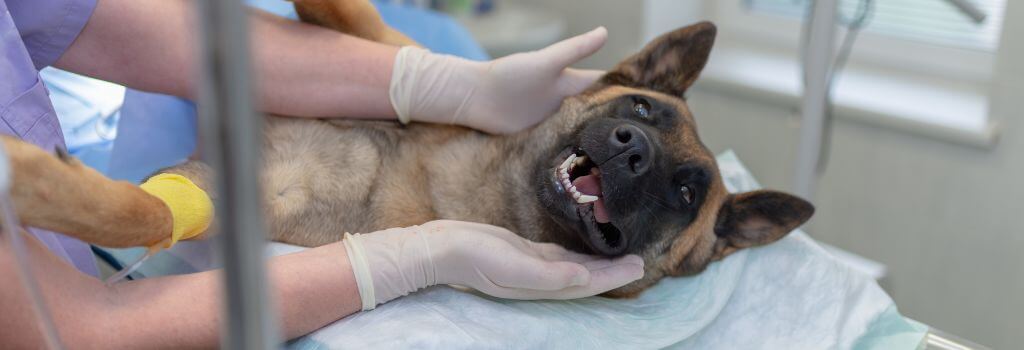
The recovery time for a spay or neuter procedure will vary depending on the size and age of your pet. Generally, most pets can return home within a few hours following the procedure. After returning home, it is important to watch for any signs of infection or pain, such as excessive licking or swelling at the surgical site. Complete surgical recovery takes 10-14 days.
What Care Should I Be Prepared to Provide at Home While My Dog is Recovering from Their Spay or Neuter Surgery?
It is important to provide your pet with a quiet, comfortable place to recover. Avoid activities that involve running, jumping, or excessive playing, as these can increase the risk of swelling around the incision site. Strenuous activity could also cause the incision to open. Keep the incision dry and check it twice daily until healed. Use an Elizabethan collar (E-collar) to prevent your dog from licking, scratching, or chewing the site. Additionally, monitor for any potential warning signs of complications.
Common signs of problems following spaying/neutering include:
- Swelling
- Discharged
- Lethargy
- Loss of appetite
- Vomiting
- Diarrhea
If any of these symptoms occur, call your vet immediately.
Conclusion
Spaying or neutering a pet provides numerous health and behavioral benefits. However, it is important to consult with a veterinarian to understand what’s best for your pet’s specific breed and situation. At Thornwood Veterinary Clinic, we believe that every pet deserves the highest quality care and attention. With our experienced staff and tailored approach to anesthesia and patient care protocols, we offer comprehensive services that prioritize the safety and well-being of your beloved pet. If you have any questions, don't hesitate to call our team at (616) 676-1251, or you can email us at [email protected]. Our staff would love to talk with you!
Don't forget to follow us on social media: Facebook, Instagram.